How Nokia changed the world
Much has been said about the fall of Nokia, but what can we learn from its successes?

Mikko Kosonen
Oct 28, 2025

In the 1990s and early 2000s, millions of people around the world bought their first mobile phone. These devices were not smart. They didn’t have app stores or social media. But for the first time, they allowed us to speak on the move, send rudimentary texts, and play an infuriatingly addictive game called Snake. Their impact on the way we lived would be transformative.
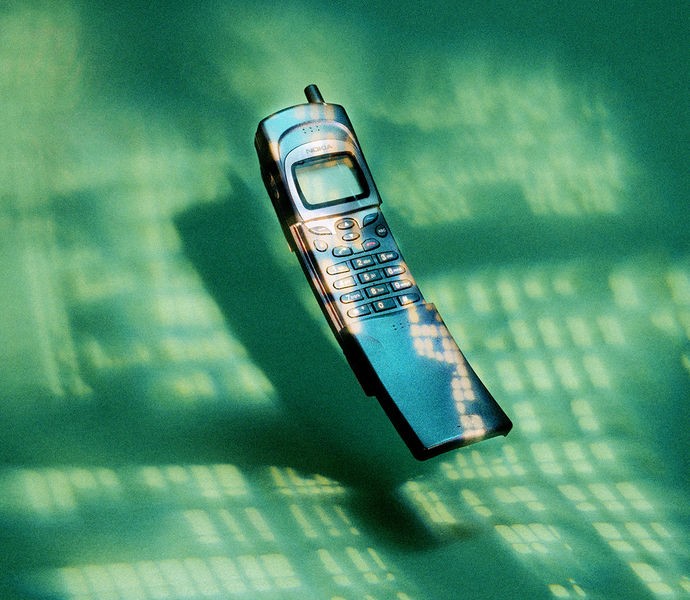
For many people, that first phone was a Nokia. At the time, the Finnish company was a major player in the global handset market, making billion-dollar revenues, innovating in design, and even enjoying Hollywood cameos. In 1999, the "banana phone” that Keanu Reeves flipped open in The Matrix was a Nokia. Through modern eyes, the devices now seem basic – with text messages that read "gr8 2 cu" on pixelated screens – but for many people of a certain age, Nokia phones evoke pure nostalgia.
To find answers, researchers at Aalto University have created the Nokia Design Archive. Exploring the contents of the archive offers valuable insights into the culture in which its designers and engineers operated. But alongside these insights, we can also ask the people who were there: what's their perspective on why Nokia phones became so ubiquitous, and what was it like inside the firm in its heyday?
Rubber and rolls
Nokia's history goes back more than 150 years and for most of that time, the company was not known for its telephony innovations. In the mid-20th century, the rubber division of Nokia was making waterproof galoshes, boots and tyres, while the forestry wing manufactured toilet paper.
When Mikko Kosonen – former chair of the Aalto University board and former president of Finnish Innovation Fund Sitra – accepted a job there in the 1980s, his classmates teased him for joining such an uninspiring conglomerate. "It was a laughable thing for business students. Nobody wanted to go to Nokia because it was a boring company. They all wanted to go to other places those days."
Gradually, though, that reputation began to change, as Nokia repositioned itself as a world leader in telecoms. How did it do it?
Finland was a very savvy and very advanced telecom market. Mikko Kosonen
"Finland was a very savvy and very advanced telecom market," explains Kosonen, who would eventually become Nokia's head of strategy and chief information officer. "Local circumstances and conditions have to be favourable for something new to grow."
However, the company's leadership also saw something about human behaviour that few at the time did: that phones would become a desirable object; a product that would appeal to teenagers and their grandparents alike.
Kosonen remembers a meeting in London in the early 90s where his colleague and friend Pekka Ala-Pietilä told an audience of investors that around a quarter of the world would own a mobile phone by the year 2000. "He was not taken seriously. Nobody believed that it could be possible," he recalls. "Everybody in those days still thought that this was a device that only professionals needed – police or other officials – not consumers. There was no such thing as a 'mobile phone' market. Nokia made the market."
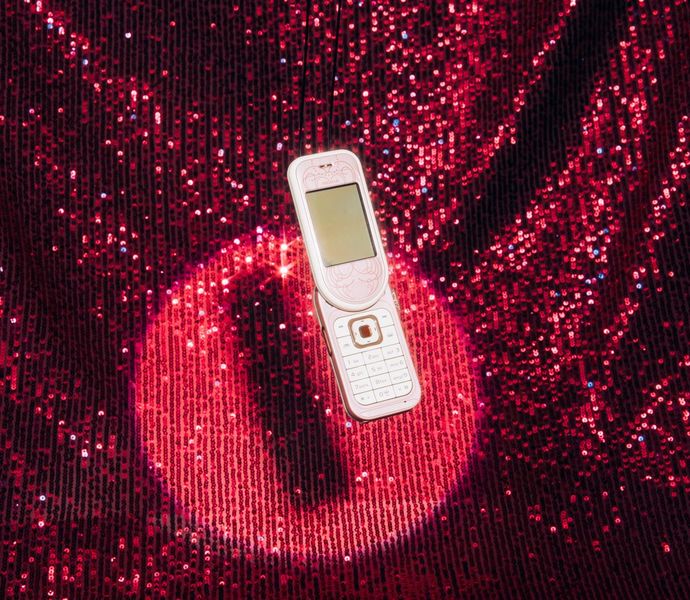
Armed with this foresight, Nokia reorganised itself internally into two different businesses – infrastructure and handsets. "At the time, everybody else saw them as one business," says Kosonen. That meant they could focus on designing phones that people coveted. "Nokia invested early in brand and design," he says. "It was the 'wow' effect with Nokia phones."
A piece of history
Both Chauhan and Kosonen are happy that the Nokia Design Archive is being preserved and studied at Aalto University. "Nokia is not just a part of Finnish design history. It's part of modern Finnish culture," says Chauhan.
Kosonen feels that the university is a natural home for the archive, because many of Nokia's engineers and business leaders (including himself) are alum from the technical, creative and business schools that united to create it. As an institution, it also embraces the same innovative and collaborative culture that defined Nokia, he says.
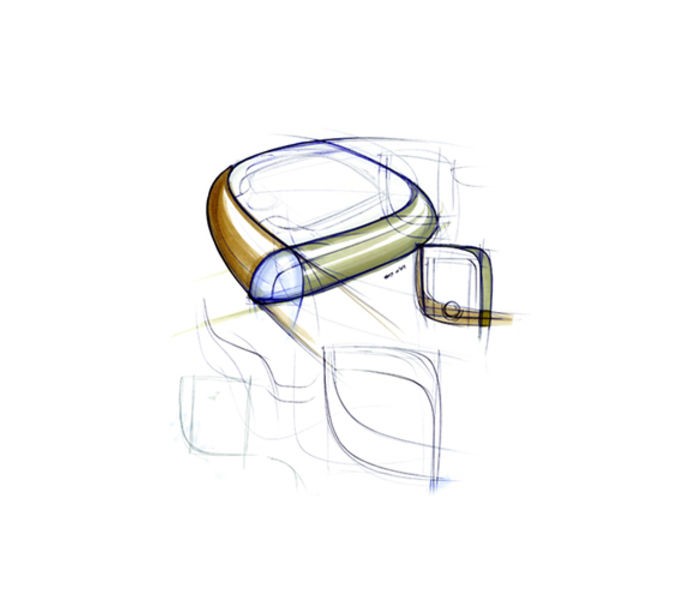
Above all, the archive gives us a precious opportunity to look back at a pivotal point in history, from another pivotal point in history.
If we had known back then where technology would take us, would Nokia people have made the same decisions? And are today’s big tech innovators smart enough to learn from the past as they make choices that shape our future?
As ever, knowledge is power. Like Neo in the Matrix, perhaps the lessons from a past tech giant can help us dodge some future bullets.
Share